
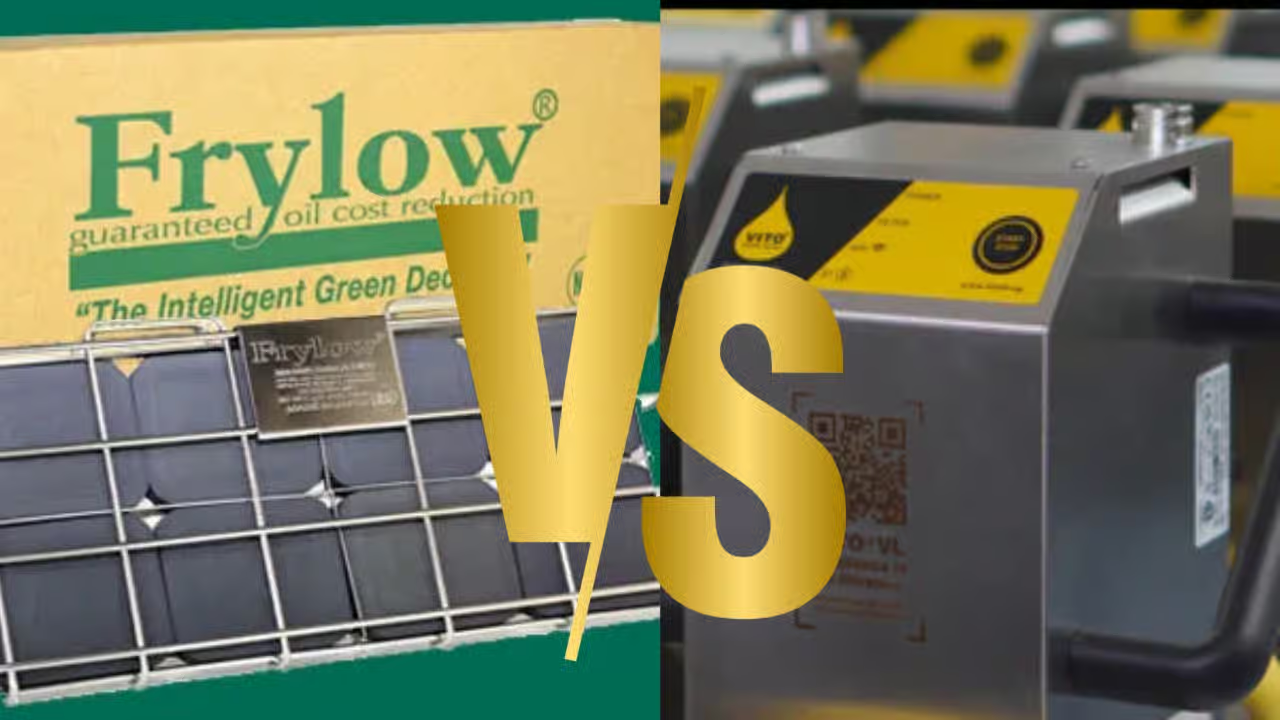
In the culinary world, maintaining oil quality is paramount for ensuring the taste and healthiness of fried foods. Chefs constantly seek effective methods to extend the life of cooking oil while preserving food quality. Two popular filtration options, Frylow and Magnesol, have been at the forefront of this quest. Evaluating their benefits provides insight into which might be more advantageous in a professional kitchen setting.
Frylow is a catalytic device that claims to reduce oil absorption in foods, thereby extending the lifespan of frying oil. It works by altering the structure of water molecules present in both oil and food, supposedly allowing for crisper results with less grease retention. Chefs who have implemented Frylow vs Magnesol often report significant savings on oil costs due to reduced consumption rates. Additionally, its ability to maintain consistent cooking temperatures can lead to improved texture and flavor profiles in fried dishes.
On the other hand, Magnesol is an adsorbent powder designed specifically for filtering impurities from frying oils. When added to hot oil, it captures particulate matter and extends usable oil life by removing dissolved impurities that cause off-flavors and odors over time. Many chefs appreciate Magnesol for its straightforward application process—simply adding it during regular filtration cycles—and its effectiveness at keeping oils clean without altering their inherent properties.
When evaluating these two options, chefs consider several factors: cost-effectiveness, ease of use, impact on food quality, and environmental implications. Frylow’s one-time purchase model can be appealing compared to continuous purchases required with Magnesol powders; however, initial costs may deter some establishments from investing upfront without trial evidence supporting long-term savings.
Ease of use also plays a crucial role in decision-making processes within busy kitchens where efficiency matters greatly. While Frylow requires no additional steps once installed within fryers’ baskets or tanks—other than routine cleaning—Magnesol necessitates careful measurement before each use but integrates seamlessly into existing filtration systems already employed by most restaurants today.
Food quality remains central when assessing these technologies’ impacts overall taste experiences delivered customers dining out frequently rely upon consistently excellent meals served every visit! Both products offer distinct advantages here: whereas Frylows promote crispier textures via reduced moisture content absorption rates inside cooked items themselves (potentially healthier outcomes), meanwhile Magenesols ensure cleaner-tasting finishes free undesirable foreign substances lingering about otherwise unfiltered batches previously discarded prematurely under normal circumstances encountered regularly throughout industry operations worldwide alike!
Ultimately choosing between them depends largely specific needs preferences individual businesses face daily basis given unique challenges posed respective clientele demands expectations placed upon staff members working tirelessly behind scenes produce outstanding results time again despite obstacles encountered along way toward achieving shared goals together collaboratively moving forward united front committed excellence always foremost mind!